

Writing Blog

Mastering Scene Structure: A Guide to Writing Engaging and Impactful Scenes
When it comes to writing a novel, understanding how to structure a scene effectively is just as important as crafting an engaging plot. Scenes are the building blocks of your story, and a well-structured scene keeps readers hooked, deepens character development, and drives the plot forward. But what makes a scene truly work? Let’s break down the essentials of scene structure, drawing insights from some of the best writing craft books available.

A Guide to Small and Mid-Sized Indie Publishers for Romance Authors
For many romance authors, publishing with a small or mid-sized indie press offers a fantastic alternative to traditional Big 5 publishing. While these publishers may not have the massive budgets or wide-reaching distribution networks of the larger houses, they make up for it with a passion for romance, author-focused relationships, and an opportunity to build a dedicated readership. Choosing an indie publisher can provide more creative control, a supportive publishing experience, and a direct connection to your audience.
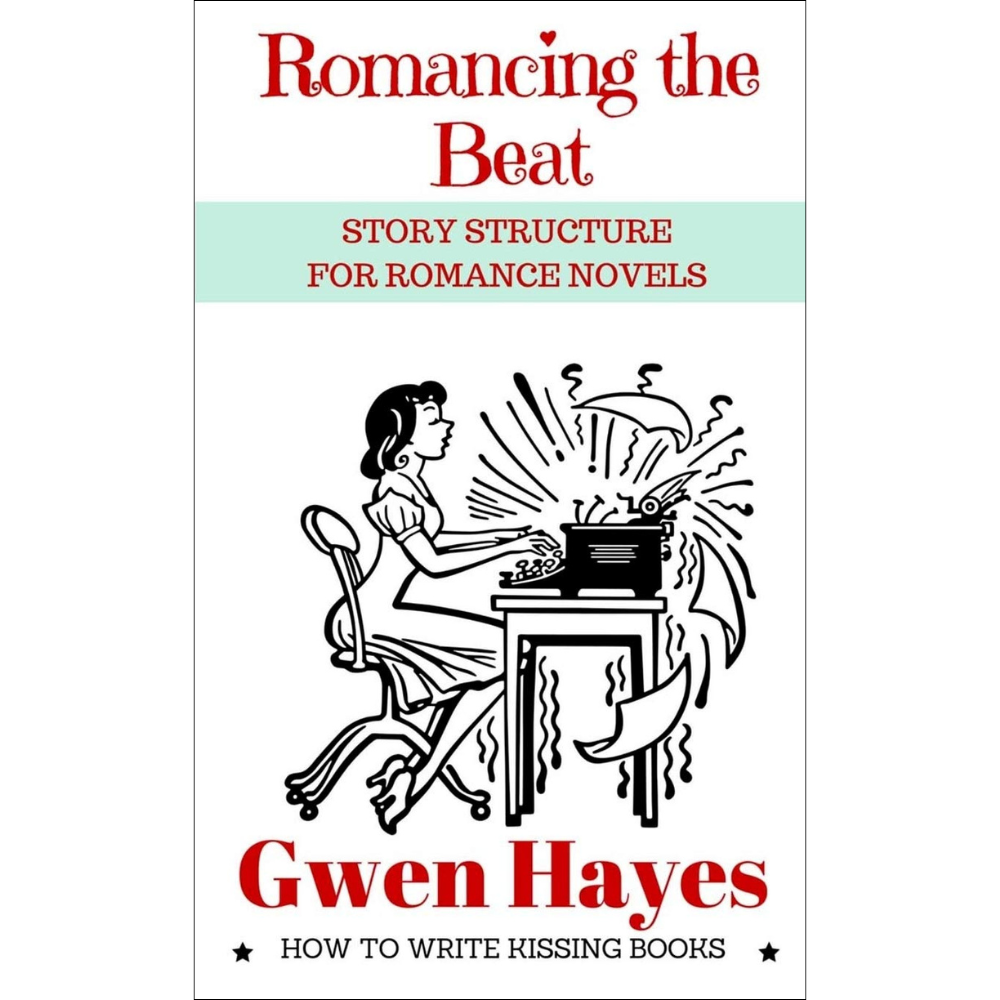
📖 Romancing the Beat – Gwen Hayes
Romancing the Beat by Gwen Hayes is a must-read for romance writers, offering a clear, structured approach to crafting satisfying love stories. This book breaks down the essential beats of a romance novel, ensuring that the romantic arc develops in a way that keeps readers engaged.

Trope Deep Dive: Holiday Romance
The Holiday Romance trope is a cherished narrative device in literature, where love stories unfold against the backdrop of festive seasons. Whether it's the warmth of Christmas, the lights of Hanukkah, or the vibrancy of Diwali, these settings infuse romance narratives with a unique blend of nostalgia, joy, and magic.

Show, Don’t Tell: A Deep Dive into One of Writing’s Most Misunderstood Rules
“Show, don’t tell.” It’s one of the most common pieces of advice given to new writers, but what does it really mean? And more importantly, when is it okay to tell instead of showing? In this post, we’ll break down this foundational writing principle, explore examples, and discuss when breaking the rule can actually improve your storytelling.

The Big Five Publishers and Their Romance Imprints: A Guide for Writers
For writers looking to publish traditionally, understanding the major players in the industry is essential. The "Big Five" publishing houses dominate the market, each with a range of imprints that cater to different genres, including romance. If you’re an aspiring romance author, knowing which imprints are most receptive to your work can help you target your submissions effectively.
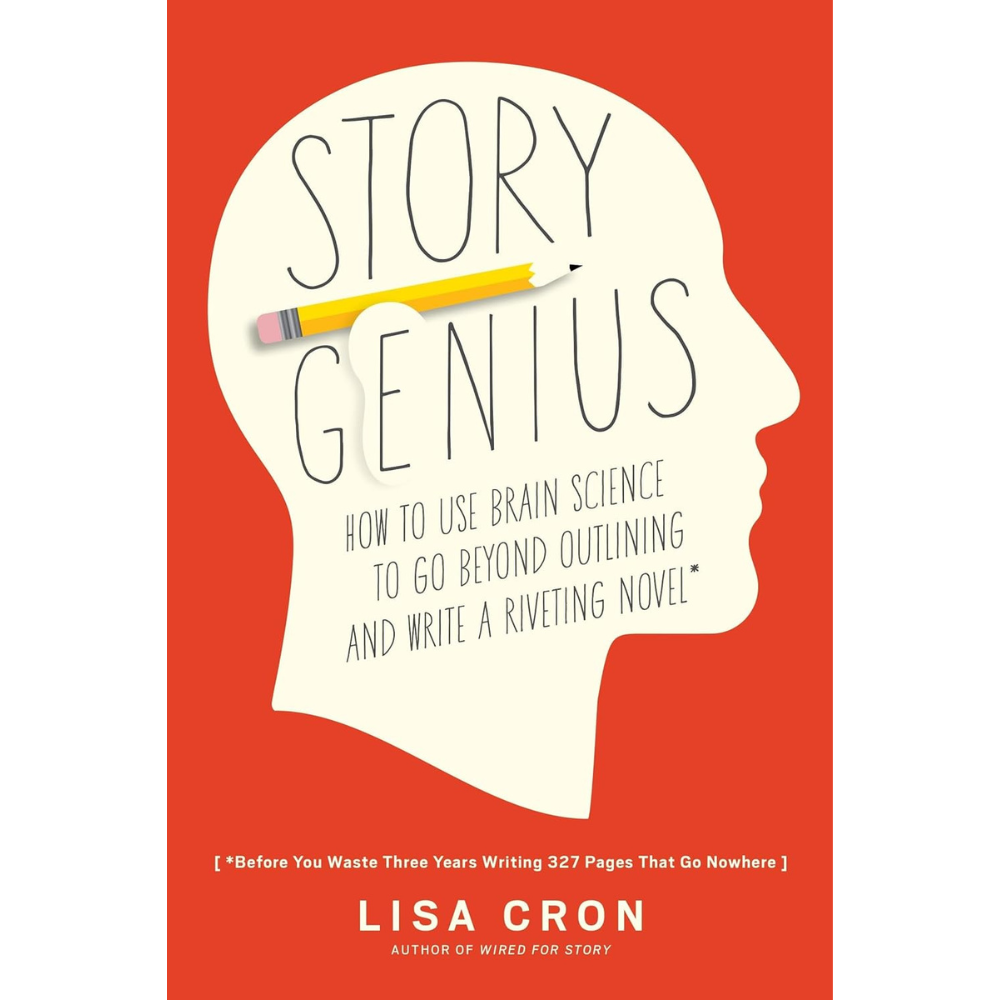
📖 Story Genius – Lisa Cron
Story Genius by Lisa Cron challenges the conventional wisdom that story is primarily about plot. Instead, she argues that great stories are built on the internal journey of the protagonist, with plot emerging organically from character development.

Trope Deep Dive: Only One Bed
The "Only One Bed" trope is a beloved narrative device in romance literature that thrusts characters into intimate proximity, often leading to heightened tension, vulnerability, and the blossoming of romantic feelings. This scenario typically arises when two characters, due to unforeseen circumstances, are compelled to share a single sleeping space, challenging their boundaries and accelerating emotional connections.

Self-Publishing vs. Traditional Publishing: Weighing My Options as a Debut Author
One of the most critical decisions an author faces is choosing between self-publishing and traditional publishing. Here’s a closer look at my early insights into these two distinct publishing worlds, along with my own experiences and plans.

Embracing Imperfection: The Art of the Messy First Draft
In a world where perfection is often celebrated and polished pieces are seen as the standard, the concept of a messy first draft might seem counterintuitive. Yet, this initial, unrefined burst of creativity is precisely where true innovation begins. Embracing imperfection isn't about settling for mediocrity—it's about freeing yourself from the paralyzing grip of perfectionism and allowing ideas to flow without constraint.
Categories
Writing Journey – My goals, milestones, reflections on my progress, and lessons learned along the way.
Writing Process – Blog posts about drafting, revising, and my creative habits.
Writing Resources – Tools, research methods, and recommendations.
My Novel – Updates on my current work in progress.
Book Reviews – Reviews of various writing craft books and comparable novels to my work in progress.