

Writing Blog

Mastering Scene Structure: A Guide to Writing Engaging and Impactful Scenes
When it comes to writing a novel, understanding how to structure a scene effectively is just as important as crafting an engaging plot. Scenes are the building blocks of your story, and a well-structured scene keeps readers hooked, deepens character development, and drives the plot forward. But what makes a scene truly work? Let’s break down the essentials of scene structure, drawing insights from some of the best writing craft books available.
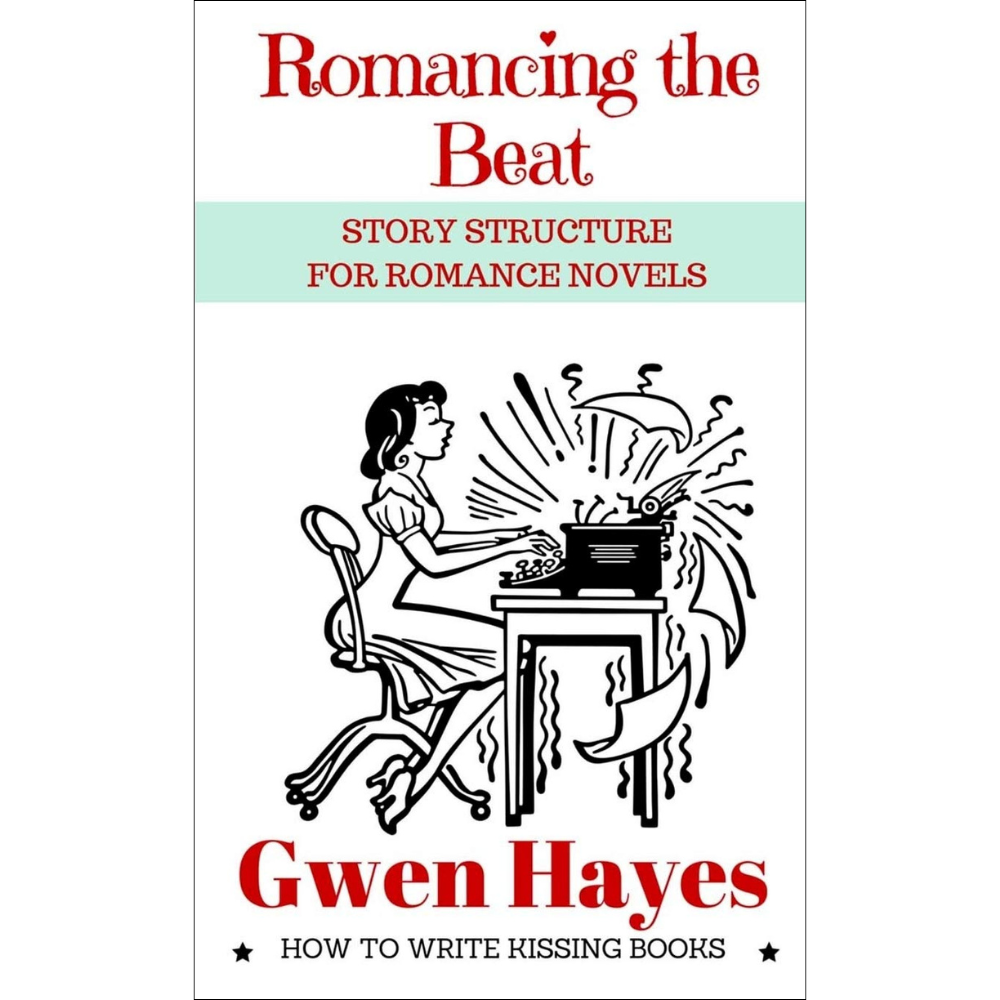
📖 Romancing the Beat – Gwen Hayes
Romancing the Beat by Gwen Hayes is a must-read for romance writers, offering a clear, structured approach to crafting satisfying love stories. This book breaks down the essential beats of a romance novel, ensuring that the romantic arc develops in a way that keeps readers engaged.

Show, Don’t Tell: A Deep Dive into One of Writing’s Most Misunderstood Rules
“Show, don’t tell.” It’s one of the most common pieces of advice given to new writers, but what does it really mean? And more importantly, when is it okay to tell instead of showing? In this post, we’ll break down this foundational writing principle, explore examples, and discuss when breaking the rule can actually improve your storytelling.
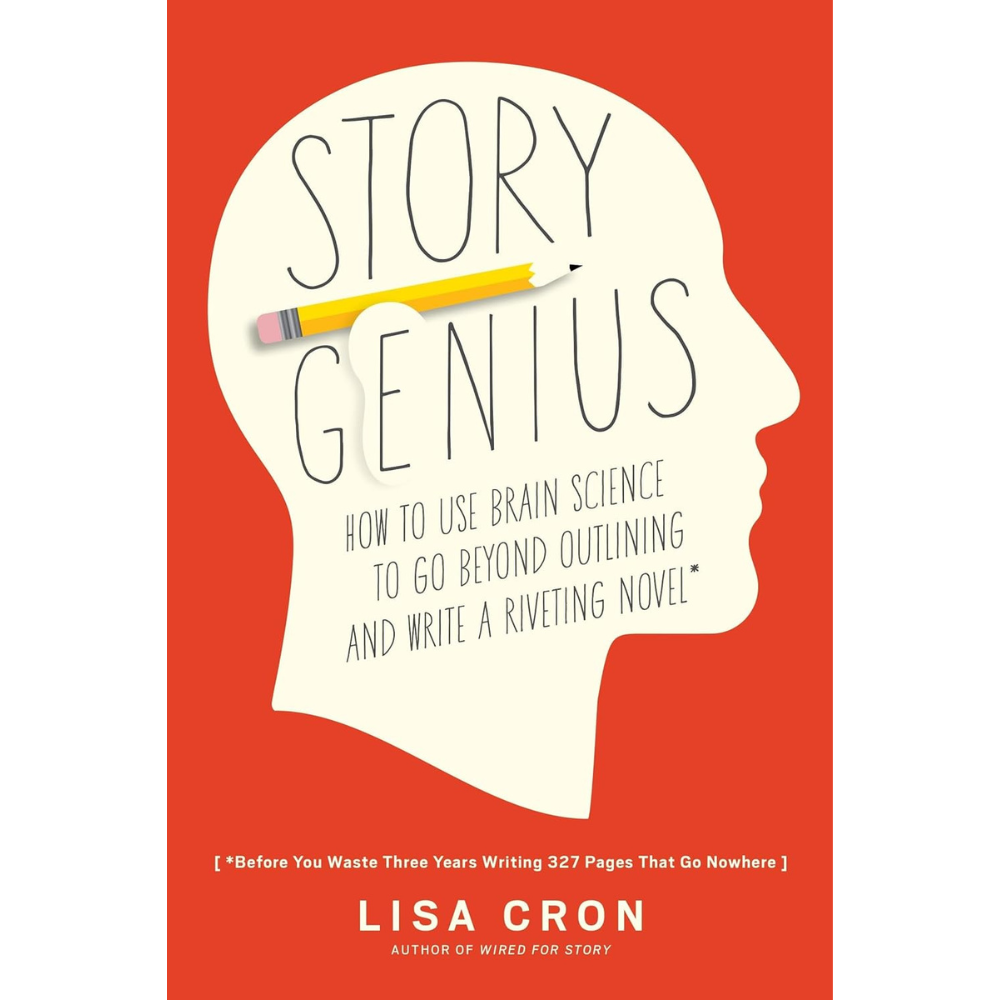
📖 Story Genius – Lisa Cron
Story Genius by Lisa Cron challenges the conventional wisdom that story is primarily about plot. Instead, she argues that great stories are built on the internal journey of the protagonist, with plot emerging organically from character development.

📖 The INFJ Writer – Lauren Sapala
The INFJ Writer by Lauren Sapala is a book specifically aimed at writers who identify as INFJs (Introverted, Intuitive, Feeling, Judging) on the Myers-Briggs Type Indicator (MBTI). It explores how the INFJ personality type influences creativity, writing struggles, and the overall approach to storytelling.
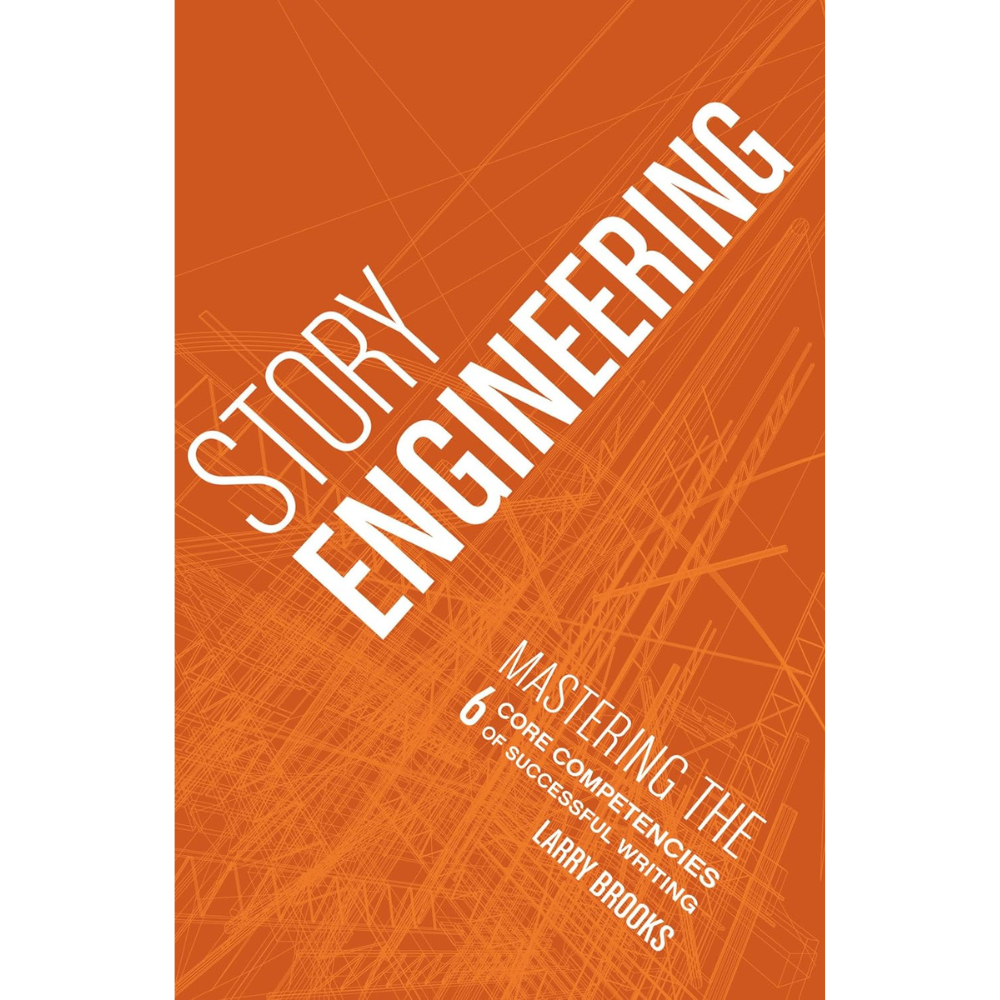
📖 Story Engineering – Larry Brooks
Story Engineering by Larry Brooks takes a highly structured, almost scientific approach to storytelling, breaking it down into six core competencies that serve as the foundation for a well-constructed novel.
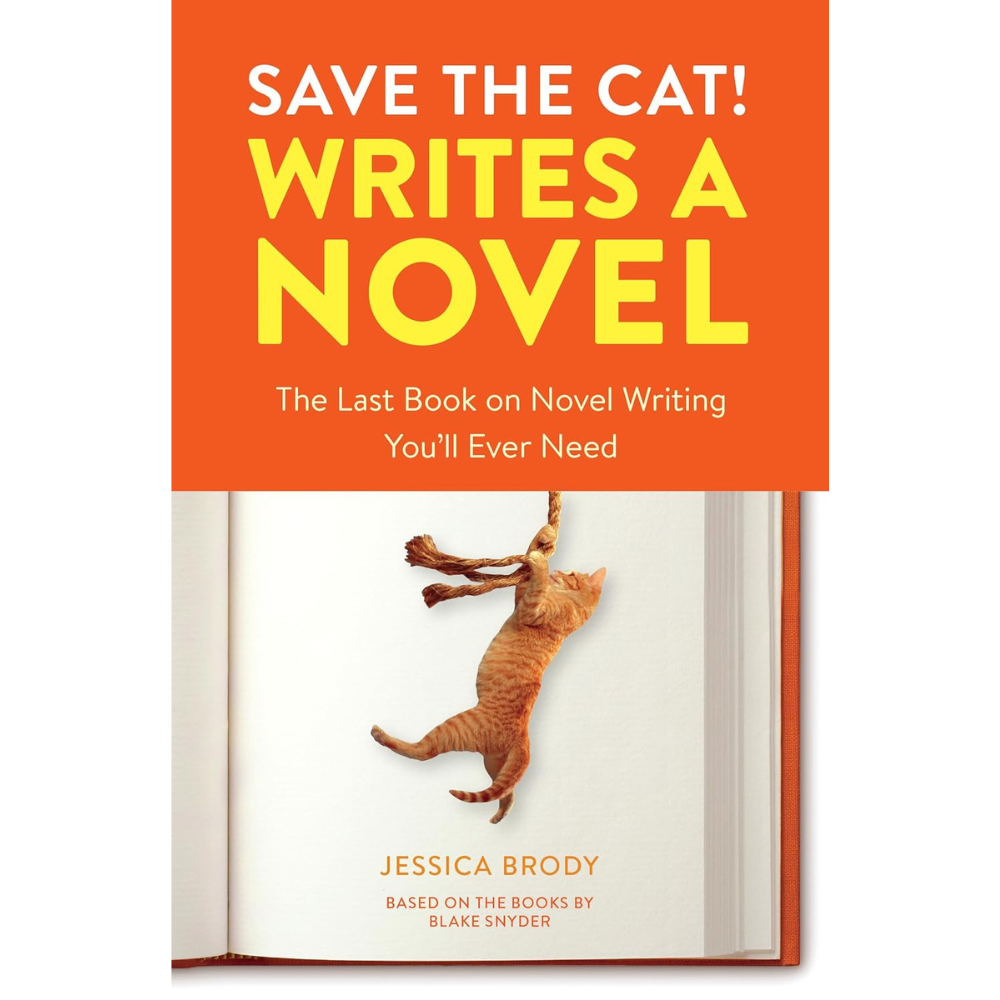
📖 Save The Cat! Writes A Novel – Jessica Brody
Jessica Brody’s Save The Cat! Writes A Novel adapts Blake Snyder’s famous screenwriting method for novelists, providing a highly structured approach to storytelling that helps writers craft compelling narratives.

📖 Plot & Structure – James Scott Bell
If you’ve ever struggled with plotting, pacing, or keeping your story engaging, Plot & Structure by James Scott Bell is a must-read. This book provides a comprehensive breakdown of story structure.

📖 Outlining Your Novel – K.M. Weiland
If you’ve ever felt overwhelmed by the idea of outlining—or if you’re unsure whether outlining is even right for you—this book provides a practical and adaptable approach to planning your novel. Weiland explores different outlining methods, helping writers find a system that works for their unique process.

📖 The Heroine’s Journey – Gail Carriger
The Heroine’s Journey by Gail Carriger presents a refreshing alternative to the widely known Hero’s Journey, providing a detailed look at a narrative structure rooted in cooperation, relationships, and personal growth rather than individual struggle.
Categories
Writing Journey – My goals, milestones, reflections on my progress, and lessons learned along the way.
Writing Process – Blog posts about drafting, revising, and my creative habits.
Writing Resources – Tools, research methods, and recommendations.
My Novel – Updates on my current work in progress.
Book Reviews – Reviews of various writing craft books and comparable novels to my work in progress.